
Blog Post 2
The Hidden Costs of a Low Power Factor: How It Impacts Your Bottom Line
Alright, let’s talk about power factor. I know, it doesn’t exactly scream “fun night out,” but hear me out—it’s secretly plotting to sabotage your budget. Yep, that unassuming little ratio could be the reason your electricity bills are higher than your team’s coffee consumption.
Power Factor, Explained (Without the Boring Stuff)
Think of power factor as the GPA for your electrical system. A perfect score is 1.0 (or 100%), which means your system is basically an overachiever. Anything lower? You’re wasting energy and throwing money at your utility company for no good reason.
Why Low Power Factor is the Villain in Your Budget Story
Utility Penalties: The Silent Bill Inflators
Eskom and other providers love slapping penalties on low power factor users (below 0.96).
For example, one facility paid R15,000 in penalties per month. They fixed their power factor, and boom—R180,000 saved in a year.
You’re Paying for Power You Don’t Use
A power factor of 0.7? That means 30% of the power you’re buying is basically going on holiday.
Imagine ordering 10 pizzas and only getting to eat 7 because 3 slices decided to “ghost” you. Sad, right?
It’s Crushing Your Equipment’s Will to Live
Low power factor forces your system to work overtime, overheating transformers and cables like they’re stuck in a sauna.
Result? Expensive breakdowns and a lot of yelling at innocent machines.
The Fix: Become the Hero of Your Own Story
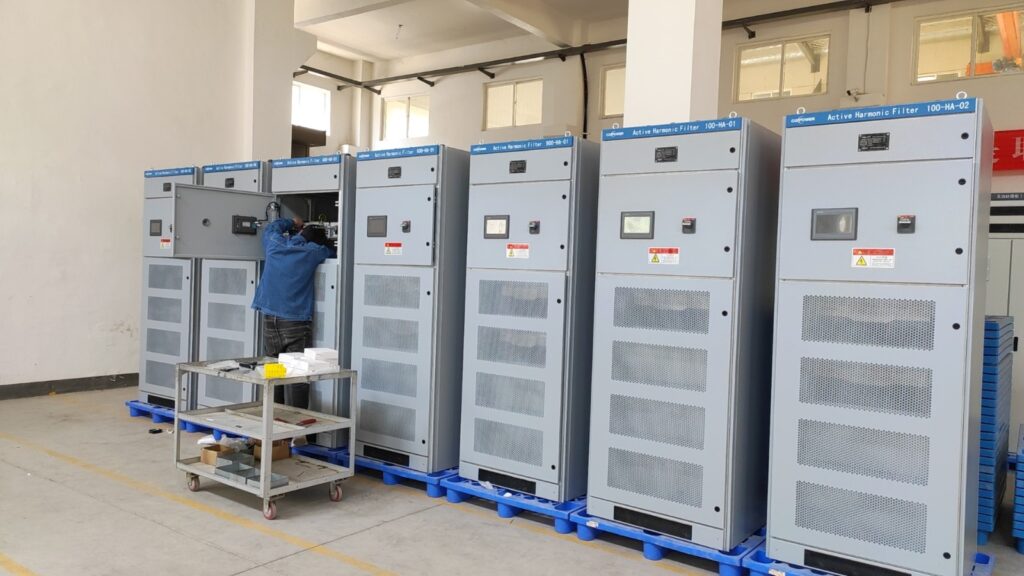
Install Power Factor Correction (PFC) equipment: Think of it as a magic wand for your electricity bills.
Audit Your Energy Use: Find out where the gremlins are hiding.
Maintain Your Gear: Happy equipment, happy life (and fewer repair bills).
Why It Matters
Fixing your power factor isn’t just about saving cash—it’s about reclaiming control and giving your system a fighting chance. Because let’s face it, no one likes paying extra for nothing.